
India has opened the gates of the Baglihar Dam on the Chenab River in Jammu and Kashmir's Ramban district to regulate rising water levels following heavy rainfall, while reiterating that the Indus Waters Treaty (IWT) with Pakistan remains in abeyance.
The release of water was carried out as a routine reservoir management measure after the Chenab witnessed a sharp rise in inflows due to continuous rain in the region. The Baglihar Hydroelectric Power Project, a run-of-the-river project on the Chenab, plays a key role in both electricity generation and water regulation in Jammu and Kashmir.
The development comes days after the Ministry of External Affairs reaffirmed that the Indus Waters Treaty will remain suspended until Pakistan takes credible and irreversible steps to end its support for cross-border terrorism. MEA spokesperson Randhir Jaiswal said there is no change in India's position, stressing that Pakistan must create an environment free of terrorism before the treaty's status can be reconsidered.
The Indus Waters Treaty, signed in 1960 and brokered by the World Bank, governs the sharing of waters from the Indus river system between India and Pakistan. India placed the treaty in abeyance after the 2025 Pahalgam terror attack, citing national security concerns. Since then, New Delhi has maintained that normal treaty obligations cannot continue amid cross-border terrorism.
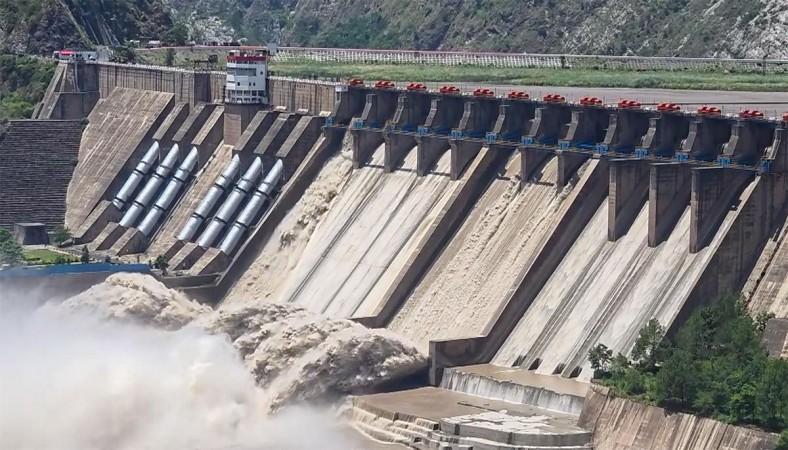
The opening of the Baglihar Dam gates has also drawn attention because of the broader diplomatic tensions between the two neighbours. However, officials have maintained that the latest release of water was necessitated by increased inflows caused by heavy rainfall and was part of standard dam operations rather than a policy shift on the treaty.
Pakistan has repeatedly criticised India's decision to keep the treaty in abeyance, accusing New Delhi of "weaponising water" and raising the issue at international forums. India, however, has maintained that its decision is directly linked to Pakistan's continued support for cross-border terrorism and has ruled out restoring normal treaty arrangements unless those concerns are addressed.