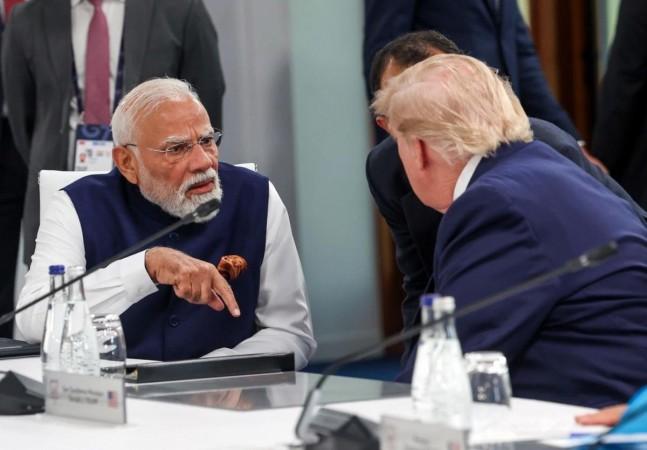
India has reaffirmed its commitment to an independent energy and foreign policy after US President Donald Trump signed legislation giving his administration the authority to impose tariffs of up to 100 per cent on countries that continue to purchase Russian oil and gas.
Minister of State for External Affairs Kirti Vardhan Singh said on Saturday that India would continue to make decisions based on its national interests and the requirements of its citizens. He said India would source energy from wherever it was commercially viable and stressed that the country's foreign policy was independent and not dictated by pressure from other nations.
The remarks came a day after Trump signed the Lindsey O. Graham Sanctioning Russia and Iran Act of 2026 into law. The legislation gives the US President the power to impose tariffs of up to 100 per cent on goods from major buyers of Russian energy, potentially including India and China.
However, the law does not automatically impose a 100 per cent tariff on Indian goods. It provides the Trump administration with the authority to impose such tariffs under specified conditions, giving Washington additional leverage over countries continuing to buy Russian energy.
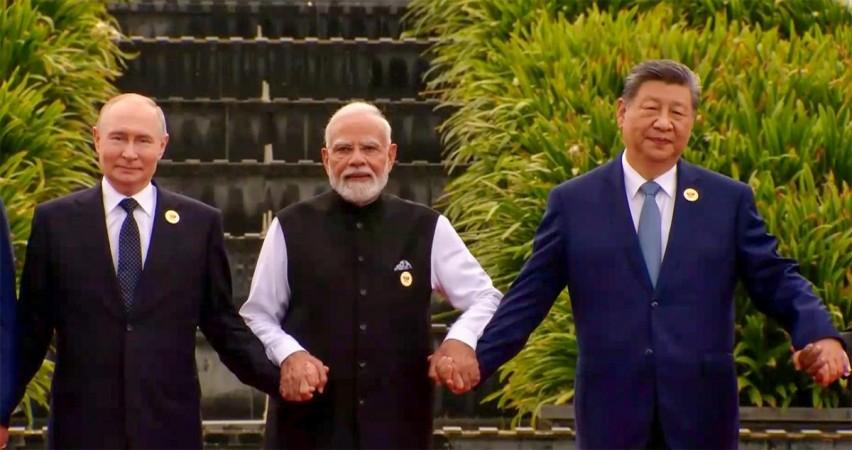
India has maintained that its energy decisions are guided by the need to ensure energy security for its population. The External Affairs Ministry had earlier said that New Delhi was determined to protect its trade and economic interests and would continue to monitor developments surrounding the US legislation.
India is one of the world's largest importers of crude oil and has significantly increased its purchases of Russian crude in recent years, largely because of competitive pricing. Russia has consequently become a major source of India's crude oil imports.
The new US law could therefore create additional pressure on India's trade and energy policy while also adding another complication to India-US economic relations. Indian officials have warned that the proposed tariff measures could have implications for bilateral ties as well as global energy markets.
Singh's latest comments underline New Delhi's position that energy procurement will be determined by India's economic and strategic interests. India has also been diversifying its sources of crude oil to strengthen energy security amid changing global markets.
For now, the key issue is how and whether the Trump administration chooses to exercise the newly granted tariff authority against major buyers of Russian energy.