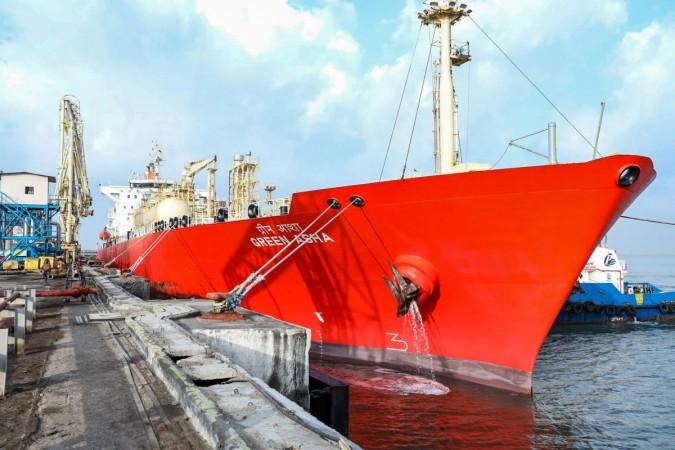
As the West Asia crisis triggered by the US-Iran war sent global oil and gas prices soaring from February 28, India managed to shield consumers from the shock by absorbing much of the financial burden through the government and public sector oil marketing companies instead of passing it on to households.
According to the Petroleum Ministry, unlike several import-dependent economies that resorted to fuel rationing, school closures and emergency restrictions, India maintained uninterrupted fuel supplies, kept retail fuel pumps operational and recorded one of the smallest increases in fuel prices among major economies.
Countries such as Sri Lanka reintroduced petrol rationing, Pakistan shut schools and shortened the working week, while Bangladesh deployed troops to protect oil depots. Japan, South Korea and several European countries relied on subsidies, strategic reserves and tax cuts to cushion the impact of soaring energy prices. Even oil-producing nations such as the UAE and Nigeria witnessed sharp increases in fuel prices.
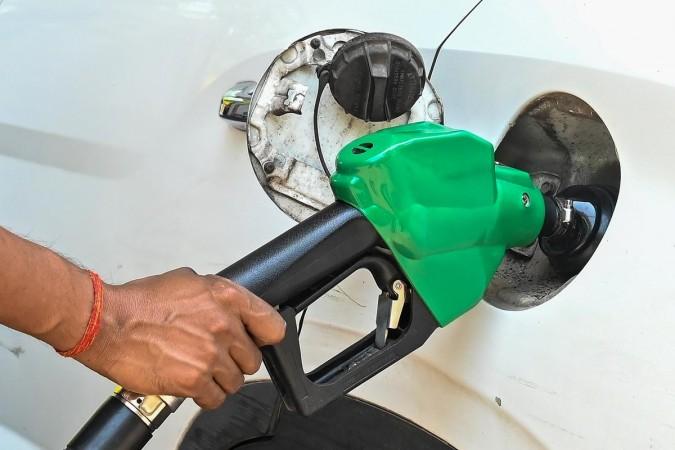
India, however, avoided rationing and imposed restrictions only on commercial and bulk LPG and exports of diesel and aviation fuel to protect domestic consumers. Household LPG supply remained uninterrupted, and the government lifted the temporary restrictions on commercial and bulk LPG by June 25.
Former Indian Ambassador to the UAE Navdeep Suri credited the government's proactive energy diplomacy and strategic diversification of crude imports for helping India navigate the crisis.
Speaking to IANS, Suri said India's strong ties with the UAE, Saudi Arabia and Qatar ensured uninterrupted energy supplies during the conflict. He also highlighted that India successfully diversified imports by increasing purchases from Russia, the United States, Venezuela, Nigeria, Gabon, Guyana and other suppliers in Africa and Latin America.
"I think there was some very proactive energy diplomacy that we saw. The special relationship that the government has forged with countries like the UAE, Saudi Arabia and Qatar came in very handy," Suri said.
He added that while global crude prices surged from around $70 per barrel to $126 per barrel, the government chose to absorb a significant portion of the increase by sacrificing taxes, while oil marketing companies gave up part of their profits to keep fuel prices under control.
"The government sacrificed taxes, the oil companies sacrificed some of their profits and managed to keep prices in check. The objective was to protect consumers in the short run," he said.
Suri also said that alongside securing foreign supplies, India expanded domestic LPG production and implemented effective demand management measures, allowing the country to avoid the fuel shortages and long queues witnessed in several other nations during the crisis.