

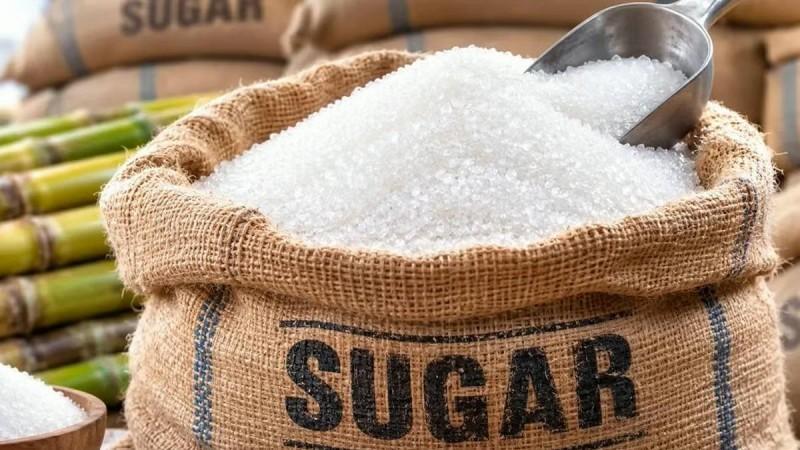
The Indian government has halted the diversion of sugar-based feedstocks for ethanol production during the 2026-27 supply year, prioritising domestic sugar availability amid concerns over lower output and rising prices. At the same time, state-run oil marketing companies (OMCs) have invited bids for approximately 11 billion litres of ethanol from alternative feedstocks, including corn, broken rice and surplus rice.
The decision comes as unfavourable rainfall in key sugar-producing states, particularly Maharashtra and Karnataka, has raised concerns about sugarcane production and domestic supplies. The move seeks to balance India's ethanol-blending programme with the need to ensure adequate sugar availability for consumers.
According to the latest procurement tender issued on October 16, ethanol produced from sugarcane juice, sugar and sugar syrup, as well as B-heavy molasses, has been excluded from the 2026-27 procurement process.
Oil Marketing Companies Invite Bids for 11 Billion Litres of Ethanol
State-run oil companies, including Indian Oil Corporation (IOC), Bharat Petroleum Corporation (BPCL) and Hindustan Petroleum Corporation (HPCL), have invited bids for around 11 billion litres of ethanol for the supply year beginning in November 2026.
The tender allows suppliers to offer ethanol manufactured from alternative feedstocks such as corn, broken rice and surplus rice procured through the Food Corporation of India (FCI).
The revised procurement strategy marks a shift towards grain-based ethanol as the government seeks to preserve sugar supplies while continuing to meet its biofuel blending objectives.
India has expanded ethanol blending in petrol to reduce dependence on imported crude oil and curb emissions. However, concerns about sugar availability have prompted the government to restrict the use of sugarcane-derived products for ethanol production in the upcoming supply year.
Why Has the Government Halted Sugar Diversion for Ethanol?
The decision follows concerns over sugarcane output after weak rainfall affected agricultural prospects in Maharashtra and Karnataka, two major sugar-producing states.
Lower production expectations have tightened the domestic supply outlook, while sugar prices have risen sharply. The government is seeking to ensure that more sugarcane-based resources are available for producing sugar for consumption rather than being diverted towards biofuel manufacturing.
The policy reflects the challenge of balancing two priorities: maintaining the country's ethanol-blending programme and ensuring sufficient supplies of an essential food commodity.
The restriction applies to sugarcane juice, sugar, sugar syrup and B-heavy molasses under the latest procurement tender. Ethanol produced from permitted alternative feedstocks will continue to be eligible for procurement.
Corn-Based Ethanol Incentive Reduced
Alongside the restrictions on sugar-based feedstocks, oil marketing companies have reduced the incentive for corn-based ethanol procurement.
According to the tender, the incentive has been cut to Rs 2.79 per litre from Rs 5.79 per litre. As a result, the procurement price for corn-based ethanol has declined to Rs 68.86 per litre from Rs 71.86 per litre.
The revised pricing could affect the economics of grain-based ethanol production, even as the government shifts procurement away from sugar-derived feedstocks.
The move is also likely to influence demand for corn and rice in the ethanol industry during the 2026-27 supply year.
India's Ethanol Blending Programme Faces a Policy Balancing Act
India has made ethanol blending a key part of its strategy to reduce crude oil imports and lower transport-related emissions. The nationwide E20 programme, which involves blending 20% ethanol with petrol, has created substantial demand for ethanol from agricultural feedstocks.
However, restricting sugar-based ethanol highlights the competing demands on agricultural resources. Sugarcane can be used to manufacture sugar for consumption or processed into ethanol, making feedstock allocation an important policy consideration when domestic supplies tighten.
The shift towards corn and rice-based ethanol could help maintain fuel blending levels while protecting sugar availability. Its effectiveness will depend on feedstock supplies, procurement prices and the capacity of ethanol producers to adapt to the revised tender conditions.
With the new supply year approaching, the government's decision is expected to reshape ethanol procurement and feedstock demand. The immediate priority remains ensuring adequate domestic sugar supplies while continuing the country's transition towards greater ethanol blending in petrol.