
The Ministry of Statistics and Programme Implementation (MoSPI) has modernised the National Sample Surveys by adopting digital survey platforms such as Computer Assisted Personal Interview (CAPI), AI-enabled chatbots and multilingual interfaces, Parliament was informed on Monday.
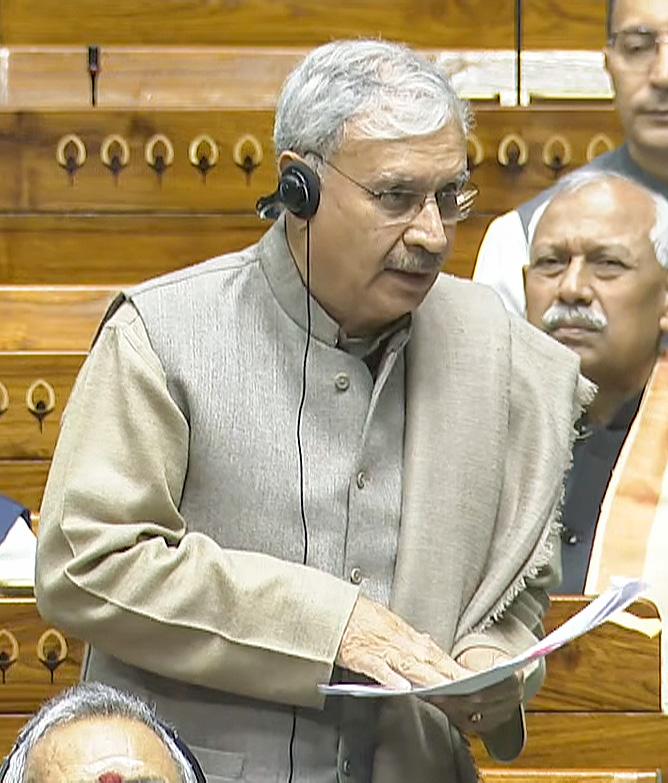
Replying in the Rajya Sabha, Minister of State (Independent Charge) for Statistics and Programme Implementation Rao Inderjit Singh said the ministry has also integrated administrative datasets and introduced new quality frameworks to strengthen India's national statistical ecosystem.
The adoption of CAPI platforms integrated with the e-Sigma system, AI-enabled chatbots and multilingual interfaces forms part of the government's broader modernisation initiatives. MoSPI has also launched short-duration surveys to meet the growing demand for high-frequency socio-economic indicators.
The minister said administrative datasets have been integrated to strengthen sampling frames for selected surveys, improving survey efficiency and enabling the timely compilation of official statistics.
Significant reforms have also been undertaken in macroeconomic statistics, including the base revision of the Gross Domestic Product (GDP), Consumer Price Index (CPI) and Index of Industrial Production (IIP).
According to the minister, the government has introduced advanced data harmonisation initiatives, including the adoption of the National Metadata Structure (NMDS 2.0), the Statistical Quality Assessment Framework (SQAF), and alignment with national and international classification standards.
He added that the ministry regularly examines global statistical standards and best practices for their suitability in the Indian context while taking measures to improve the accuracy, transparency and credibility of official statistics.
MoSPI has also developed the Sustainable Development Goals–National Indicator Framework (SDG-NIF), aligned closely with the UN's Global Indicator Framework (GIF). While modelled on the GIF, the framework has been customised to suit India's national priorities, policy requirements and data ecosystem.
The ministry is also implementing PAIMANA (Project Assessment, Infrastructure Monitoring & Analytics for Nation-building) for monitoring central sector infrastructure projects, replacing the Online Computerised Monitoring System (OCMS-2006). In addition, it has launched a Performance Monitoring Dashboard to track key infrastructure sectors through standardised indicators.
Meanwhile, the government informed Parliament that the increase in monetary thresholds for filing departmental tax appeals has led to an estimated reduction of about Rs 16,690 crore in disputed tax demand.
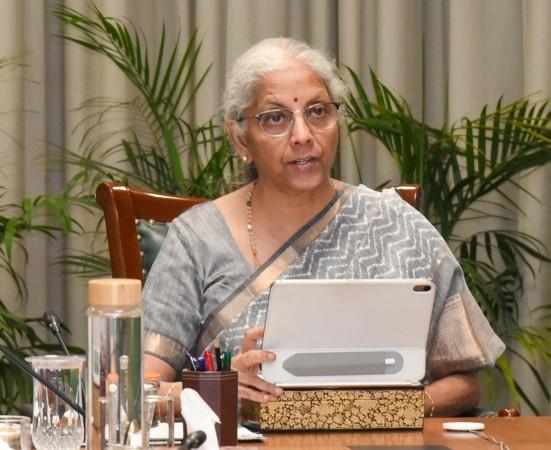
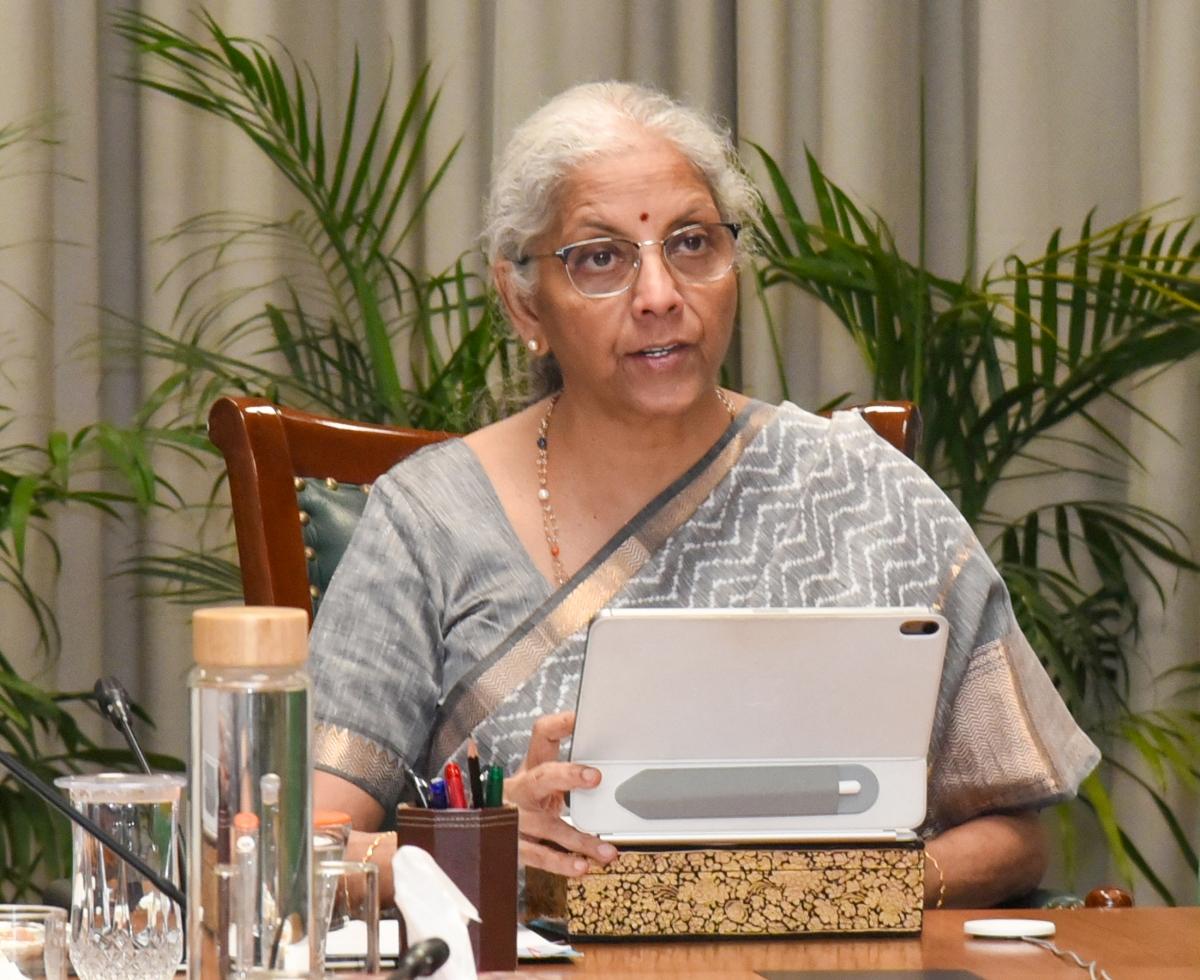
In a written reply to the Lok Sabha, Finance Minister Nirmala Sitharaman said the enhanced monetary limits, introduced after the Union Budget 2024-25, resulted in thousands of departmental appeals being withdrawn or not filed before the Income Tax Appellate Tribunal (ITAT), high courts and the Supreme Court.
According to the minister, 443 cases were withdrawn and 11,390 appeals were not filed before the ITAT, reducing disputed tax demand by an estimated Rs 3,662.82 crore.
Before the high courts, 4,791 cases were withdrawn and 5,565 appeals were not filed, resulting in a reduction of Rs 9,218.71 crore in disputed tax demand.
At the Supreme Court, 744 cases were withdrawn while appeals were not filed in 534 cases, leading to an estimated reduction of Rs 3,807.15 crore.
Overall, the measures have reduced disputed tax demand by an estimated Rs 16,690 crore across the three appellate forums, Sitharaman said.
Under the Union Budget 2024-25, the government raised the monetary limits for filing departmental appeals in direct tax matters to Rs 60 lakh before the ITAT, Rs 2 crore before high courts and Rs 5 crore before the Supreme Court, with effect from September 17, 2024.
The Finance Minister also said the Central Board of Direct Taxes (CBDT) has introduced several reforms over the past 12 years to simplify tax compliance and improve taxpayer services. These include pre-filled income tax returns, the revamped Form 26AS, updated return filing, faceless assessment and appeal schemes, removal of higher TDS/TCS provisions for non-filers, rationalisation of the safe harbour regime, and expansion of the presumptive taxation scheme.