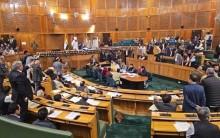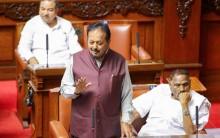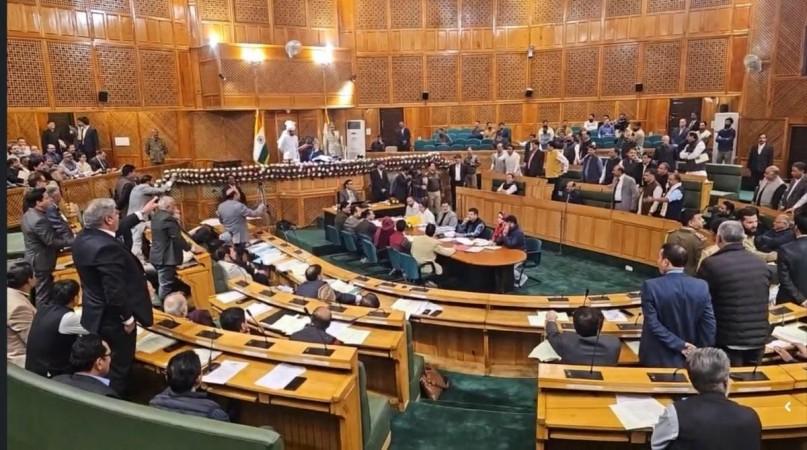
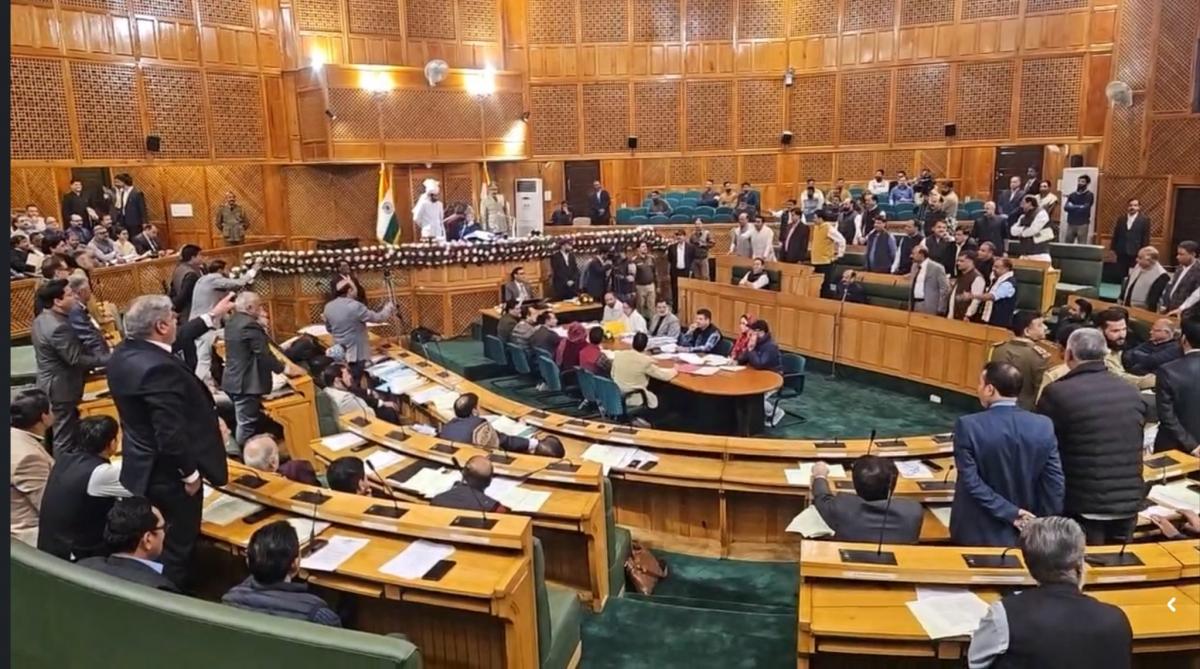
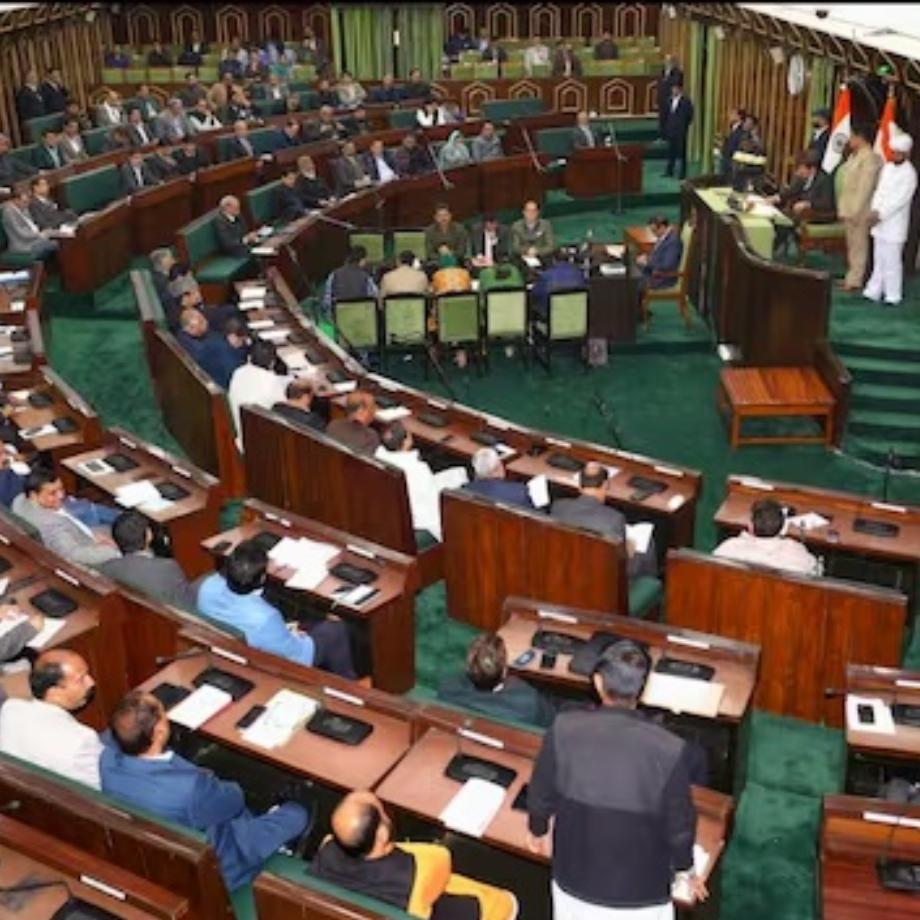
While the autumn session of the Jammu and Kashmir Legislative Assembly is set to begin on Monday, the five seats reserved for nominated members remain vacant as the House approaches the two-year mark—a gap that is likely to remain unresolved.
The 10-day session, beginning September 21, will be the sixth since the Assembly was elected in October 2024. Yet, the question of who will fill these crucial seats continues to hang fire.
Nominated members wield powers identical to those of elected MLAs, but unlike their elected counterparts, they are not accountable to any electorate.
It is important to note that the results for all 90 seats in the Jammu and Kashmir Legislative Assembly were declared on October 8, 2024, and it was announced that five MLAs would be nominated before the newly elected members took oath.
Under the Jammu and Kashmir Reorganisation Act, 2019, the Lieutenant Governor is empowered to nominate members to the Legislative Assembly. Two women are to be nominated under Part III, Section 15 of the Jammu and Kashmir Reorganisation Act, 2019.
Two representatives are to be nominated from among Kashmiri migrants, while one is to be nominated from among displaced persons from Pakistan-occupied Jammu and Kashmir (PoJK).
The provision for nominating two members from the Kashmiri migrant community and one from among displaced persons from PoJK was introduced through the Jammu and Kashmir Reorganisation (Amendment) Act, 2023.
The Lieutenant Governor of the Union Territory of Jammu and Kashmir may nominate up to two members, at least one of whom must be a woman, from the Kashmiri migrant community to the Jammu and Kashmir Legislative Assembly.
For the purposes of this section, the term "migrant" shall have the same meaning as assigned to it in clause (e) of Section 2 of the Jammu and Kashmir Migrant Immovable Property (Preservation, Protection and Restraint on Distress Sales) Act, 1997.
'A displaced person from Pakistan-occupied Jammu and Kashmir' refers to any person who, due to the setting up of the Dominions of India and Pakistan, or because of civil disturbances or the fear of such disturbances in any area of the then State of Jammu and Kashmir (currently under Pakistan's occupation) during 1947-48, 1965 and 1971, left or was displaced from their place of residence in such areas. This also includes the successors-in-interest of any such person.
The nomination of five MLAs would increase the Assembly's total strength to 95, excluding the 24 seats that remain vacant for PoJK. With all five nominated seats filled, the majority mark for government formation would rise from 46 to 48—a shift with significant implications for the strength of a government on the floor of the House.
The seat count itself carries a historical dimension. The Delimitation Commission, which redrew J&K's Assembly map, allotted six additional seats to Jammu against just one to Kashmir, bringing the two regions closer to parity and fulfilling a long-standing BJP demand to reduce the Valley's traditional dominance in the state's politics.
Notably, only one Jammu leader—veteran Congress figure Ghulam Nabi Azad, who hails from Doda—has served as Chief Minister of the erstwhile State of Jammu and Kashmir.
The nomination model mirrors Puducherry, where the Lieutenant Governor can nominate three MLAs. When then-LG Kiran Bedi used this power to induct members without consulting the Congress government, the move was challenged all the way to the Supreme Court between 2017 and 2018, with petitioners arguing that the Centre had bypassed the elected government. The apex court found no illegality and allowed the nominations to stand.
Now, a similar legal battle is brewing in Jammu and Kashmir.
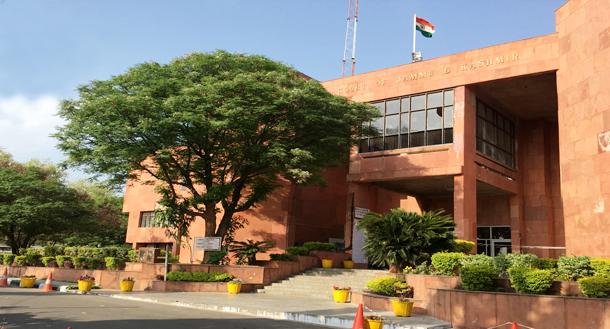
Former Congress MLC Ravinder Sharma has moved the J&K High Court, challenging the constitutional validity of nominated members under the Reorganisation Act.
"The case is pending in the court, and the next hearing is scheduled for September 25," Sharma said.
His core argument is that allowing nominated, unelected members to exercise voting rights strikes at the basic structure of the Constitution and could, in theory, alter the fate of an elected government by turning a minority into a majority on the floor of the House.