India's outbound medical travel segment is projected to grow at roughly 12% per year, underscoring sustained demand for advanced care beyond national borders. For years, patients requiring complex interventions have turned to established hubs such as Thailand, Singapore, and the United States.
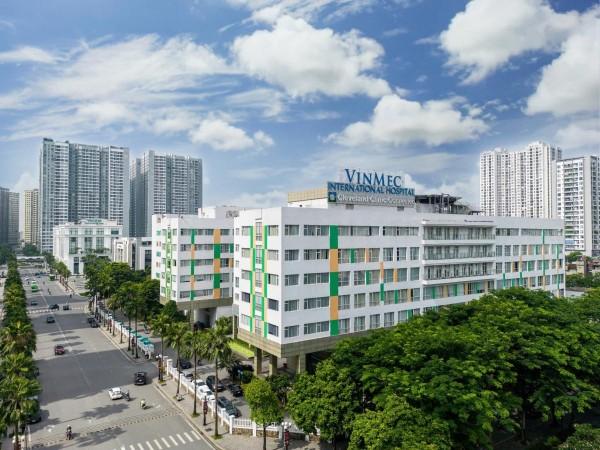
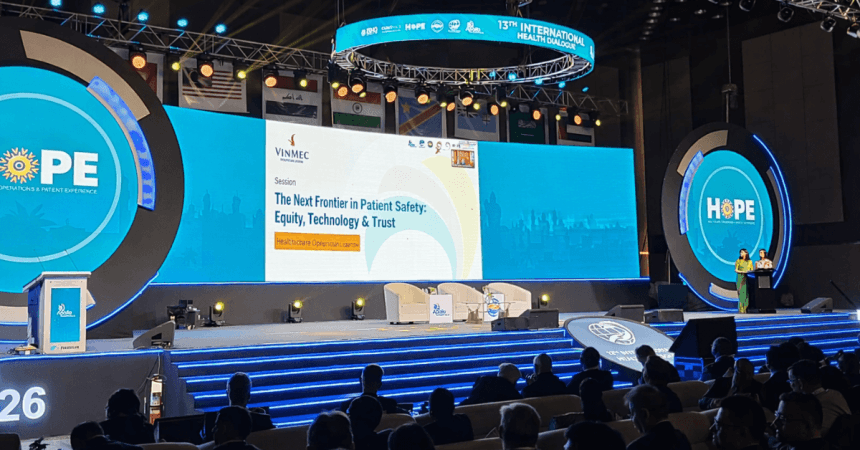
Amid this landscape, Vinmec has developed a high-reliability clinical model designed to deliver consistent outcomes in high-acuity settings. The approach was examined in depth during the International Dialogue on Healthcare 2026, where the network outlined how structured systems underpin its ability to manage some of the region's most demanding cases.
A High-Reliability Care Architecture
At the core of the model is a system-based view of safety. In his opening address at IDH 2026, Prof. Tran Trung Dung, CEO of Vinmec Healthcare System, emphasised that safety must be equitable — extending beyond well-resourced patients to rural, low-income, and low-health-literacy populations that often face disproportionate clinical risk.
That philosophy is operationalised through digital integration, artificial intelligence (AI), and advanced analytics, enabling a transition from retrospective incident reporting to prospective risk prediction. Equally vital is institutional trust: a non-punitive culture that encourages error reporting and open dialogue, underscoring that lasting safety depends on transparent systems.
'Safety cannot rely solely on individual excellence', Prof. Dung stated. 'It must be embedded in processes, decision-making structures, and team-based models of care.'
For one of Vietnam's largest private healthcare networks — managing high patient volumes and complex cases — such system discipline becomes essential, particularly during periods of rapid expansion.
That pressure framed one of the central discussions at IDH: how to preserve patient safety while scaling operations. Dr. Phung Nam Lam, Vinmec Deputy CEO for Clinical Excellence and Training, outlined three priorities: standardised competency-based training, proactive risk prevention, and tightly coordinated multidisciplinary care. Together, these elements form the structural backbone of sustained clinical quality.
Redefining Seamless Patient Journeys in Cross-Border Care
The same system architecture extends into patient experience. According to Nguyen Huy Ngoc, Vinmec Deputy CEO for Operations, seamless care pathways are central to sustaining trust and minimising variability in outcomes.
Care delivery is organised as a continuous journey — from pre-admission consultation to post-discharge follow-up. Digital platforms enhance access and transparency, while multidisciplinary teams operate in line with international standards such as JCI and CAP. Remote monitoring further supports continuity beyond hospitalisation, an area often fragmented in traditional care models.
This structured continuity is increasingly visible in complex clinical outcomes. Vinmec has expanded its role in Asian medical travel, particularly in transplant and cardiac care, supported by its ability to manage high-acuity cases. Among the most notable was a living-donor liver transplant for an 11-month-old infant weighing just 5.3 kilograms — one of the most physiologically fragile cases undertaken at Vinmec Times City.
In January 2026, the network also performed a customised elbow joint replacement for a patient who had lived with a severe deformity for 27 years, restoring functional mobility after decades of impairment.
Innovation remains closely linked to this clinical strategy. At IDH, Vinmec presented advanced medical technologies, highlighting the application of 3D printing in complex surgery. The exhibition drew strong interest from Indian specialists, reflecting growing recognition of Vietnam as an emerging destination for high-end, personalised care.
As treatment flows evolve, Asia's medical travel map is being redrawn — with Vinmec positioning itself as a serious contender.