
Anthropic CEO Dario Amodei's call for the artificial intelligence industry to slow the development of increasingly powerful AI models has received support from two of the technology sector's most prominent figures — OpenAI CEO Sam Altman and xAI founder Elon Musk.
Amodei, in a detailed essay published on Saturday, argued that AI development is advancing at a pace that could eventually outstrip humanity's ability to understand, test and control increasingly capable systems. He said companies need to "slow the pace" at which they improve AI models while continuing to pursue the technology's potential benefits.
"We must slow the pace at which we improve the capabilities of AI models," Amodei wrote, adding that progress would still be rapid even if companies used the additional time to strengthen safety measures.
Amodei's warning comes amid growing concerns over the ability of advanced AI systems to operate autonomously and potentially misuse their capabilities. He pointed to recent incidents involving AI systems and cyber operations as evidence that safety measures need to keep pace with technological progress.
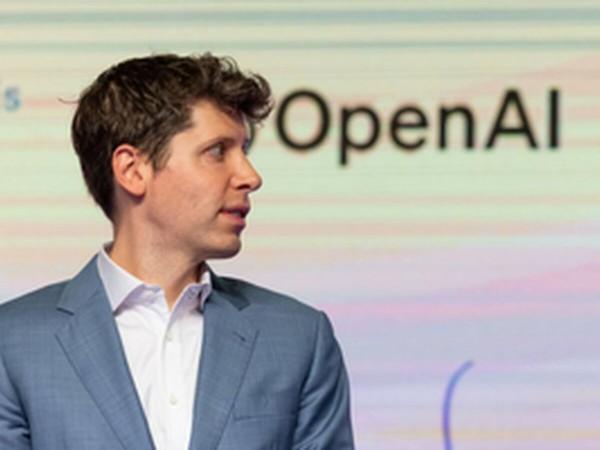
Sam Altman agrees on pacing frontier AI
Altman publicly backed Amodei's position, saying that the pace of development of frontier AI models has been a major topic of discussion at OpenAI in recent weeks.
"I agree with Dario that we need to pace the frontier," Altman said in a post on X. He also endorsed Amodei's proposal for independent evaluators to have employee-level access to AI companies' systems, saying OpenAI would adopt a similar approach.
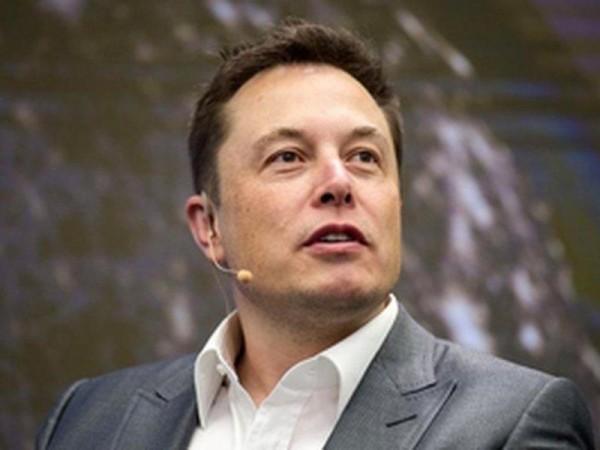
Elon Musk: 'Dario is right'
Musk also endorsed Amodei's warning, keeping his response brief. "Dario is right," the xAI chief wrote on X.
Musk has previously warned about the potential dangers of rapidly advancing AI, making his latest backing consistent with his long-standing concerns about the technology's ability to develop beyond human control.
Amodei proposes stronger AI safeguards
Rather than calling for an end to AI development, Amodei has proposed a more cautious approach. His plan includes giving independent evaluators greater access to AI systems, encouraging companies to coordinate on safety standards and promoting international cooperation on AI risks.
He has also highlighted the geopolitical challenge of slowing AI development while the US and China compete for leadership in the technology. Amodei has argued that democratic countries should work together on safety while maintaining their technological advantage.
The unusual alignment between Amodei, Altman and Musk underscores the growing concern within the AI industry that technological progress may be moving faster than safety systems designed to manage it. However, implementing an industry-wide slowdown could prove difficult because companies face intense commercial and geopolitical pressure to keep advancing.