The Comptroller and Auditor General of India (CAG) has flagged serious deficiencies in passenger amenities at several major railway stations, including the presence of E. coli and other coliform bacteria in drinking water samples, as well as inadequate toilets, urinals, seating and dustbins.
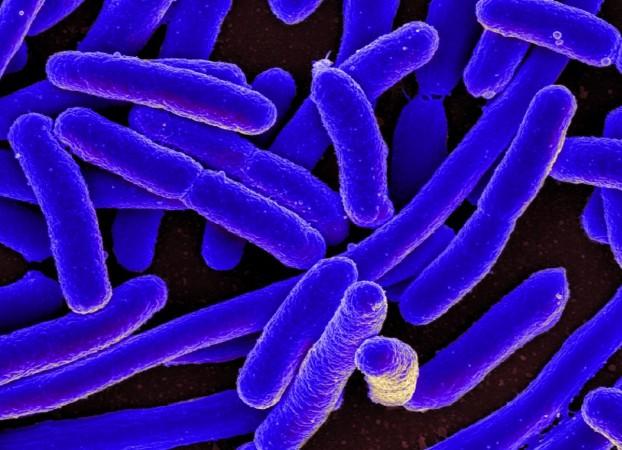
The audit examined passenger services at 512 non-suburban grade railway stations across different railway zones. It found that drinking water samples collected from taps at 49 stations in eight zones during 2022-23 and 56 stations in nine zones during 2023-24 showed the presence of total coliform bacteria, including E. coli.
The affected stations included Coimbatore and Palakkad in Southern Railway, Hyderabad in South Central Railway, and Chhatrapati Shivaji Maharaj Terminus (CSMT), Bhiwandi Road, Kalyan and Lonavala in Central Railway, besides Madhupur in Eastern Railway.
E. coli is commonly associated with faecal contamination, and certain strains can cause food poisoning, diarrhoea and other serious health complications.
The audit also found that 458 of the 512 selected stations, or around 90 per cent, were deficient in providing Minimum Essential Amenities (MEA). The Railway Board had issued instructions in April 2018 requiring these essential facilities to be provided at stations by August 31, 2018.
The prescribed minimum amenities include drinking water, waiting halls, seating arrangements, platform shelters, urinals, latrines, high-level platforms, fans, foot overbridges, dustbins, clocks and public address systems.
The CAG noted that even NSG-1 stations such as Mumbai Central, CSMT, Howrah, Sealdah and New Delhi were found deficient in areas including seating arrangements, sanitary facilities, dustbins and electronic indicator boards.

The audit highlighted the need for stronger monitoring of water quality and recommended that prescribed protocols for inspecting water supply systems be followed. It also called for comprehensive testing of drinking water against all parameters under the Uniform Drinking Water Quality Protocol.
The findings have raised concerns over the quality of basic passenger facilities at some of the country's busiest railway stations, particularly those handling large numbers of passengers every day.




![Exes Kareena Kapoor and Shahid Kapoor kiss and hug each other during IIFA press conference [watch]](https://data1.ibtimes.co.in/en/full/840158/exes-kareena-kapoor-shahid-kapoor-kiss-hug-each-other-during-iifa-press-conference-watch.jpg?w=220&h=138)