Dhanteras, also known as Dhantrayodashi, is considered one of the most auspicious occasions in Hinduism. While many people celebrate the festival by purchasing gold, silver, utensils and other valuables, the day also holds special religious significance as Dhanvantari Jayanti, the birth anniversary of Lord Dhanvantari, who is worshipped as the Hindu god of Ayurveda and medicine.
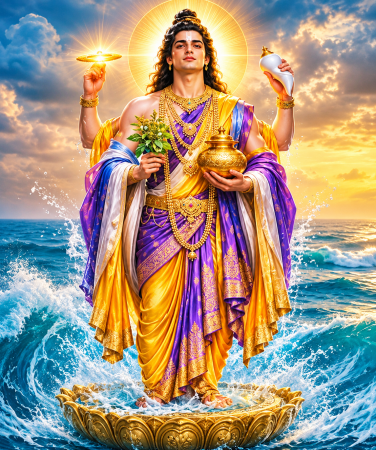
According to Hindu mythology, Lord Dhanvantari emerged from the Samudra Manthan (churning of the ocean) carrying a pot of Amrit, the divine nectar of immortality. Devotees worship him on Dhanteras to seek good health, longevity, healing and freedom from diseases.
Dhanvantari Puja is traditionally performed on Trayodashi Tithi, two days before Diwali. If you are planning to perform the puja at home, here is a step-by-step guide covering the rituals, puja samagri, mantras, placement of Lord Dhanvantari's picture and the correct way to worship Goddess Lakshmi and Lord Ganesha.
Dhanvantari Puja 2026: What is the significance?
Lord Dhanvantari is regarded as the divine physician and the father of Ayurveda. He is traditionally depicted holding a pot of Amrit, medicinal herbs, a conch and other sacred objects.
Worshipping Lord Dhanvantari on Dhanteras is believed to bring good health, physical well-being and protection from illnesses. The occasion also highlights the importance of health as an essential form of wealth.
Devotees offer prayers to Lord Dhanvantari and seek blessings for themselves and their families.
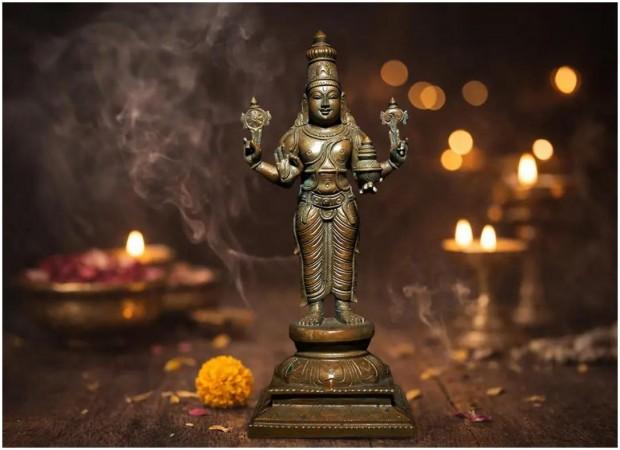
Where to place Lord Dhanvantari's picture at home?
If you are performing Dhanvantari Puja at home, you can place his picture or idol in your home temple or designated puja area.
Here are a few things to keep in mind:
- Choose a clean place: Place Lord Dhanvantari's picture or idol on a clean wooden chowki covered with a yellow, red or white cloth.
- Direction: The east or northeast side of the home is traditionally preferred for a puja space. Keep the picture in a clean and respectful position.
- Keep the picture elevated: Avoid placing the picture directly on the floor. Use a clean stand or chowki.
- Do not roll or fold the picture: If you have purchased a printed Dhanvantari photograph, keep it flat and protected in a frame rather than rolling or folding it after the puja.
- Keep it in the temple: You can retain Lord Dhanvantari's picture in your home temple after the puja and offer prayers regularly.
There is no requirement to remove the picture immediately after Dhanteras. You can continue worshipping Lord Dhanvantari throughout the year.
Should you buy Lakshmi-Ganesha idols on Dhanteras?
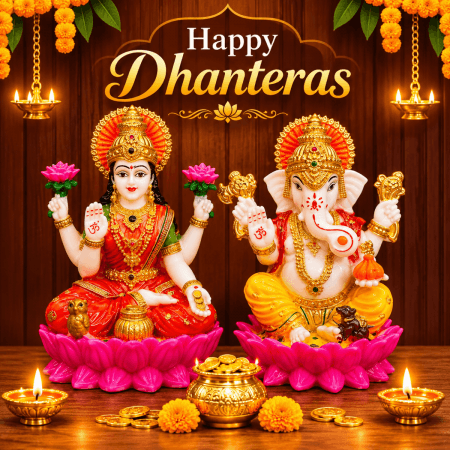
Buying a new idol of Goddess Lakshmi and Lord Ganesha is a popular Dhanteras tradition. Many households purchase new idols for Diwali Lakshmi Puja and worship them during the evening rituals.
If you are planning to buy Lakshmi-Ganesha idols, keep these points in mind:
- Choose idols that are clean, intact and aesthetically appropriate for your home temple.
- Traditionally, Goddess Lakshmi is placed on the right side of Lord Ganesha when viewed from the front, although household traditions may differ.
- Avoid buying broken or damaged idols.
- You can choose brass, silver, clay or other materials according to your preference and family tradition.
- Keep the idols on a clean chowki and decorate the area with flowers, diyas and rangoli.
Remember that Dhanteras is associated with both wealth and health. Therefore, devotees may worship Lord Dhanvantari along with Goddess Lakshmi and Lord Ganesha, according to their family customs.
Dhanvantari Puja Samagri: Things required for the puja
Before beginning the rituals, arrange the following puja essentials:
- Picture or idol of Lord Dhanvantari
- Picture or idol of Goddess Lakshmi and Lord Ganesha
- Wooden chowki and clean cloth
- Ganga Jal or clean water
- Kalash
- Diya and cotton wicks
- Ghee or oil
- Incense sticks and dhoop
- Haldi, kumkum and chandan
- Fresh flowers and garlands
- Tulsi leaves
- Fruits and sweets
- Panchamrita
- Betel leaves and betel nuts
- Akshat (unbroken rice grains)
- Aarti thali and bell
You may also keep Ayurvedic herbs or medicinal preparations near Lord Dhanvantari's picture as a symbolic offering.
How to perform Dhanvantari Puja at home: Step-by-step vidhi
Dhanvantari Puja can be performed at home with devotion and simple rituals. Here is the traditional puja vidhi.
Step 1: Clean the puja area
Clean your home and the designated puja space. You can sprinkle Ganga Jal or clean water around the area as part of the purification ritual.
Step 2: Set up the chowki
Place a wooden chowki and cover it with a clean yellow, red or white cloth. Position Lord Dhanvantari's picture or idol on it. Keep the Lakshmi-Ganesha idols nearby if you are performing a combined Dhanteras puja.
Step 3: Kalash Sthapana
Place a kalash filled with clean water in front of the deities. Add a betel nut and a few rice grains. You can also place mango leaves and a coconut on top, according to your family tradition.
Step 4: Worship Lord Ganesha
Begin the puja by offering prayers to Lord Ganesha, seeking his blessings and the removal of obstacles.
Step 5: Take a Sankalp
Take a small amount of water in your hand and mentally express your intention to perform the puja. Pray for good health, healing, happiness and prosperity for your family.
Step 6: Offer flowers and prasad to Lord Dhanvantari
Apply haldi, kumkum and chandan as appropriate to the idol or picture. Offer fresh flowers, tulsi leaves, fruits, sweets and Panchamrita.
Step 7: Chant Dhanvantari mantras
Recite the following mantras with devotion.
Simple Dhanvantari Mantra:
"Om Dhan Dhanvantaraye Namah"
You can chant this mantra 11, 21, or 108 times.
Dhanvantari Maha Mantra:
"Om Namo Bhagavate Vasudevaya Dhanvantaraye Amrita-Kalasha Hastaya Sarva-Amaya Vinashanaya Trailokya Nathaya Shri Mahavishnave Namah"
The mantra is traditionally recited to seek blessings for good health, healing, and protection from diseases.
Step 8: Perform Dhanvantari Aarti
Light a ghee diya and perform the aarti while ringing a bell. Offer your prayers and seek blessings for the well-being of your family.
Step 9: Conclude the puja
Offer fruits and prasad to the deities. Conclude with a prayer seeking forgiveness for any mistakes made during the rituals.
How to perform Lakshmi-Ganesha Puja on Dhanteras?
Apart from Lord Dhanvantari, devotees also worship Goddess Lakshmi and Lord Ganesha on Dhanteras.
Place the idols on a clean chowki and decorate the puja area with flowers, diyas and rangoli. Offer kumkum, haldi, rice grains, sweets, fruits and flowers.
Light diyas and perform Lakshmi-Ganesha aarti. Devotees pray to Goddess Lakshmi for wealth and prosperity and Lord Ganesha for wisdom, success and the removal of obstacles.
Many families also perform Lakshmi-Ganesha Puja on Diwali evening, following their household traditions.
Can you keep Lord Dhanvantari's picture in your home temple after Dhanteras?
Yes. You can keep Lord Dhanvantari's picture or idol in your home temple even after Dhanteras. There is no general requirement to remove it once the puja is complete.
Keep the picture clean, properly framed or placed on a stand, and avoid rolling, folding or storing it carelessly. You can offer flowers, light a diya, and chant the Dhanvantari mantra whenever you wish to pray for good health and well-being.
What should you pray for during Dhanvantari Puja?
Dhanteras is not only about purchasing gold and silver. The festival also reminds devotees that good health is one of life's greatest blessings.
While performing Dhanvantari Puja, you can pray for:
- Good health and long life.
- Recovery and healing for family members.
- Protection from illness and suffering.
- Physical and mental well-being.
- Peace, happiness and prosperity at home.