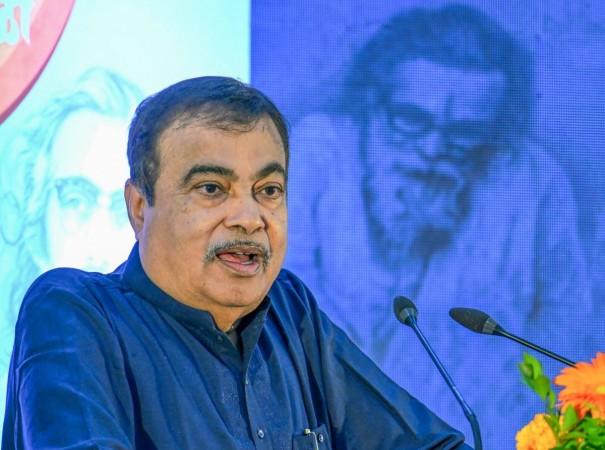
Union Road Transport and Highways Minister Nitin Gadkari has rejected allegations that he personally benefited from the Centre's ethanol blending policy, asserting that ethanol accounts for only a small share of his sons' business and that the criticism against him is politically motivated.
Addressing the ongoing controversy over ethanol-blended petrol (E20), Gadkari said his support for alternative fuels is aimed at reducing India's dependence on imported crude oil, cutting pollution and increasing farmers' income. He maintained that he has no role in the day-to-day operations of his sons' businesses and does not receive any financial benefit from the ethanol policy.
Responding to concerns over reduced fuel efficiency, Gadkari acknowledged that E20 petrol may result in a minor loss in mileage because ethanol has a lower calorific value than petrol. However, he said the difference is marginal and is generally noticeable only during high-speed driving. He also challenged claims that ethanol-blended fuel damages vehicles, saying no conclusive evidence has been presented to support such allegations.

The minister also said consumers who do not wish to use E20 fuel can opt for 100 per cent petrol, but it would cost more than blended fuel. He argued that ethanol blending helps lower fuel import bills and supports domestic biofuel production while offering environmental benefits.
Gadkari's remarks come amid heightened debate over India's ethanol blending programme, which has drawn criticism from some motorists and opposition leaders over fuel efficiency, vehicle compatibility and alleged conflicts of interest. The government, however, has consistently defended the policy, saying it is essential for India's energy security and cleaner transportation.