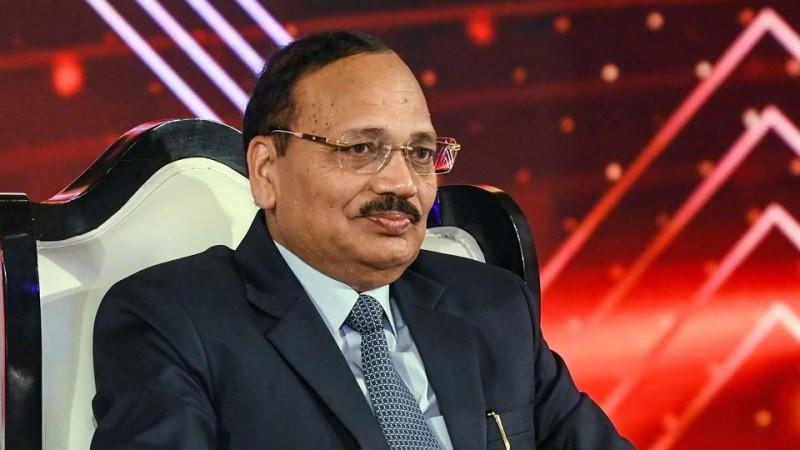
Chief Justice of India (CJI) Surya Kant has declined a request by INDIA bloc leaders, including Congress president Mallikarjun Kharge and Leader of Opposition in the Lok Sabha Rahul Gandhi, to meet him on Monday, October 12, over concerns regarding the Special Intensive Revision (SIR) of electoral rolls, alleged electoral irregularities and demands for the resignation of Chief Election Commissioner Gyanesh Kumar.
Explaining his decision, the CJI reportedly said that the doors of the Supreme Court are open to everyone and that the court is committed to protecting the fundamental rights of citizens. However, he indicated that political leaders should approach the court through the established judicial process rather than seek an administrative meeting with the Chief Justice.
According to reports, the CJI also pointed out that the issues raised by the Opposition were already pending before the Supreme Court. He reportedly indicated that the leaders could file a petition and that the court could consider it through judicial proceedings. Related matters are scheduled to be heard on Tuesday, October 13.
The decision comes ahead of the INDIA bloc's planned march towards the Supreme Court to submit a memorandum over alleged electoral irregularities and the police action against protesters in Delhi.
Why did CJI Surya Kant refuse to meet Rahul Gandhi?
Rahul Gandhi and Mallikarjun Kharge had sought an appointment with the CJI between 4 pm and 5 pm on Monday. The leaders wanted to raise concerns over the functioning of constitutional institutions, alleged irregularities in electoral rolls and the ongoing SIR exercise.
However, the CJI declined the request, citing the pendency of related matters before the Supreme Court and the need to maintain judicial propriety.
According to reports, the CJI conveyed that the Supreme Court could not entertain a political delegation's memorandum through its administrative side and issue directions in that manner. Instead, the leaders were free to approach the court through a formal petition, which would be considered according to the applicable judicial process.
The CJI's response also underscored the distinction between administrative interactions and the court's judicial function of hearing cases and delivering judgments.
What is the INDIA bloc demanding?
The Opposition has been campaigning against the SIR exercise and alleging irregularities in the preparation and revision of electoral rolls. Opposition leaders have also demanded the resignation of Chief Election Commissioner Gyanesh Kumar.
The proposed memorandum was intended to draw the judiciary's attention to concerns over the electoral process, the functioning of constitutional institutions and the treatment of protesters detained during recent demonstrations in Delhi.
The Opposition has alleged electoral manipulation and questioned the conduct of the Election Commission. These claims remain contested and are subject to political debate and legal scrutiny.
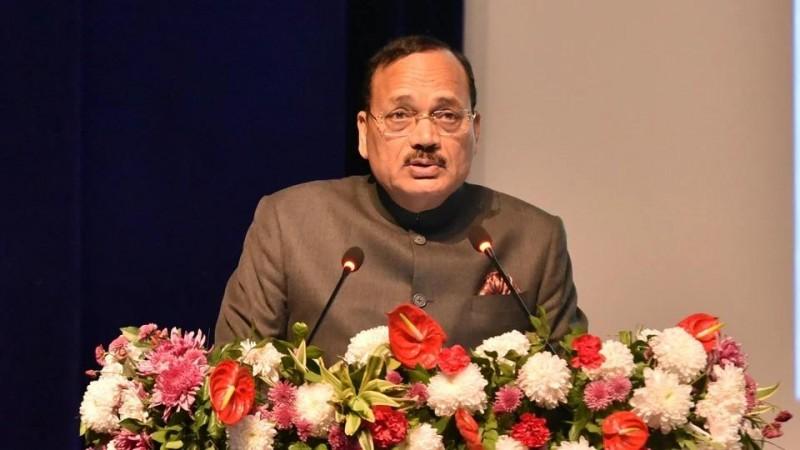
INDIA bloc plans march to Supreme Court
Despite the CJI declining the meeting request, Opposition leaders planned to proceed with their march towards the Supreme Court on Monday.
Rahul Gandhi, Mallikarjun Kharge and representatives of other INDIA bloc parties were expected to participate in the demonstration. The march was intended to highlight demands for action over alleged electoral irregularities, a halt to the SIR exercise and the resignation of Gyanesh Kumar.
The proposed demonstration follows protests in Delhi involving Opposition parties, students and activists. The demonstrations have also drawn attention to allegations of police excesses and the detention of protesters.
The CJI's decision does not, however, prevent the Opposition from pursuing its grievances through legal channels.
Supreme Court proceedings to determine next steps
The CJI's response makes clear that the Opposition can seek judicial relief by filing a formal petition. Any such plea would be considered under the court's established procedures, rather than through an informal meeting with political leaders.
Related matters are scheduled to come before the Supreme Court on Tuesday, October 13, and any new petition could be considered in accordance with the court's procedures.
The development comes amid heightened political tensions over electoral rolls, the SIR exercise and demands for accountability from the Election Commission. The Opposition is continuing to press its concerns, while the legal questions involved remain subject to judicial consideration.