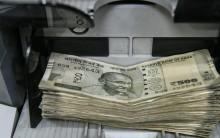
Cancer drug prices in India could fall by up to 70 per cent as the government moves to cap trade margins on non-scheduled anti-cancer medicines at 30 per cent of their maximum retail price (MRP). The move is expected to help patients save around Rs 2,500 crore annually and reduce the financial burden of cancer treatment.
The decision covers branded and generic, domestic and imported, as well as patented and non-patented cancer medicines. The government aims to curb excessive mark-ups across the supply chain and make life-saving medicines more affordable.
According to the National Pharmaceutical Pricing Authority (NPPA), an analysis found that trade mark-ups on non-scheduled anti-cancer medicines averaged around 170 per cent, with some reaching 700 per cent or more. The new measure seeks to address these high mark-ups and extend price protection to medicines that are not covered under the existing ceiling-price framework.
How much do cancer drugs cost in India?
Cancer drug prices vary depending on the medicine, dosage, brand and treatment regimen. While some medicines cost a few thousand rupees, advanced targeted therapies and immunotherapy drugs can cost several lakh rupees, placing a significant financial burden on patients and their families.
Government data published in December 2024 showed the revised maximum retail prices of several expensive cancer medicines following earlier reductions in customs duty and GST.
| Cancer drug | Dosage | Reported revised MRP |
|---|---|---|
| Durvalumab (Imfinzi) | 120 mg injection, one vial | Rs 40,790.96 |
| Durvalumab (Imfinzi) | 500 mg injection, one vial | Rs 1,71,324.27 |
| Osimertinib (Tagrisso) | 40 mg, 10 tablets | Rs 1,40,769.38 |
| Osimertinib (Tagrisso) | 80 mg, 30 tablets | Rs 4,16,492.48 |
| Trastuzumab deruxtecan (Enhertu) | 100 mg/5 ml, one vial | Rs 1,67,069.17 |
These figures are previously reported official prices and may not reflect current retail prices. The latest trade-margin cap should not be interpreted as an automatic reduction of the same percentage in the price of every medicine.
Which cancer medicines could become cheaper?
The government's latest intervention targets non-scheduled anti-cancer medicines, including expensive patented therapies that can account for a substantial share of treatment costs.
According to reports, the measure covers 110 non-scheduled anti-cancer medicines, including 35 patented drugs. The actual price reduction will depend on the existing trade margins and the applicable pricing notification for each medicine.
The intervention is intended to cover different categories of cancer medicines, including branded and generic products manufactured in India or imported from abroad.
The government has also indicated that an expert committee under the Directorate General of Health Services will finalise the list of medicines covered, followed by notifications from the NPPA.
Why are cancer medicines so expensive?
Cancer treatment often involves several expenses, including medicines, chemotherapy, targeted therapy, immunotherapy, diagnostic tests and hospitalisation. For patients requiring advanced therapies over several months, medicine costs alone can run into lakhs of rupees.
While several cancer medicines are already covered under government price controls, non-scheduled drugs have not been subject to the same ceiling-price mechanism. The government has identified high trade mark-ups in this segment as one of the factors contributing to the cost of treatment.
In February 2019, the government capped trade margins on 42 selected non-scheduled anti-cancer medicines. According to the Department of Pharmaceuticals, the intervention reduced prices across more than 500 brands by an average of around 50 per cent.
The latest measure seeks to extend similar relief to a wider range of cancer medicines.
How much can patients save?
The government estimates that the expanded price-control measure could reduce the prices of some cancer medicines by up to 70 per cent and generate annual savings of around Rs 2,500 crore for patients.
However, the estimated savings represent the overall expected impact and do not guarantee a 70 per cent reduction in every cancer medicine or treatment bill.
For instance, if a medicine's price falls from Rs 1 lakh to Rs 30,000, the reduction would amount to Rs 70,000. This is only an illustration of a possible 70 per cent price cut and does not represent the revised price of any specific medicine.
The actual savings for patients will depend on the medicines covered, their existing prices and the applicable revised MRPs.
Other government initiatives to make cancer treatment affordable
Apart from price controls, the government has introduced several initiatives to improve access to affordable medicines and treatment.
These include cancer care at government hospitals, coverage under Ayushman Bharat–Pradhan Mantri Jan Arogya Yojana for eligible beneficiaries, generic medicines through the Pradhan Mantri Bhartiya Janaushadhi Pariyojana and discounted medicines through AMRIT pharmacy outlets.
The expanded trade-margin cap is expected to provide further relief to patients who depend on expensive cancer medicines. However, the extent of the benefit will become clearer once the applicable drug list and revised prices are notified.
Patients and caregivers should check the latest notified prices with the NPPA, their treating hospital or a licensed pharmacy before estimating treatment costs.