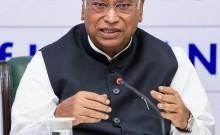

The Ministry of External Affairs (MEA) on Friday, October 23, said the situation along the India-China border gets disturbed from time to time when Chinese forces deviate from established patrolling patterns. The statement came a day after Indo-Tibetan Border Police (ITBP) Director General Shatrujeet Singh Kapur spoke about ongoing face-offs with Chinese troops at multiple locations in Arunachal Pradesh.
MEA spokesperson Randhir Jaiswal, while addressing the ministry's regular briefing, said India and China continue to use existing diplomatic and military mechanisms to resolve outstanding issues and prevent misunderstandings along the Line of Actual Control (LAC).
When asked about the specifics of the face-offs mentioned by the ITBP chief, Jaiswal referred the matter to the Ministry of Defence. He reiterated that maintaining peace and tranquillity along the border is essential for the overall development of bilateral relations between the two countries.
"The situation in the India-China border areas gets disturbed from time to time when Chinese forces diverge from established patrolling patterns," Jaiswal said.
He added that the two countries had also agreed to discuss ways to improve their understanding of the LAC in appropriate areas to strengthen border management.
ITBP chief says face-offs continue in Arunachal Pradesh
Kapur's remarks came during an address to ITBP personnel at a force base in Alwar, Rajasthan, on Thursday. He said face-offs with China's People's Liberation Army (PLA) had occurred at several locations in Arunachal Pradesh in recent days and were continuing.
The outgoing ITBP chief also highlighted the capabilities of the force's newly raised Shaurya commando unit, which he said had demonstrated its skills during the ongoing face-offs.
Kapur said the commandos would be deployed in every border battalion as the force strengthens its combat preparedness along the 3,488-km LAC with China.
Describing China as India's biggest adversary, Kapur said conventional methods alone would not be sufficient to meet the challenges posed by the modernisation of the Chinese military. He stressed the need to adopt emerging technologies, including drones and anti-drone systems, to strengthen India's border security.
His remarks drew attention because the government has maintained in recent years that the situation along the LAC has stabilised following tensions that escalated in 2020.
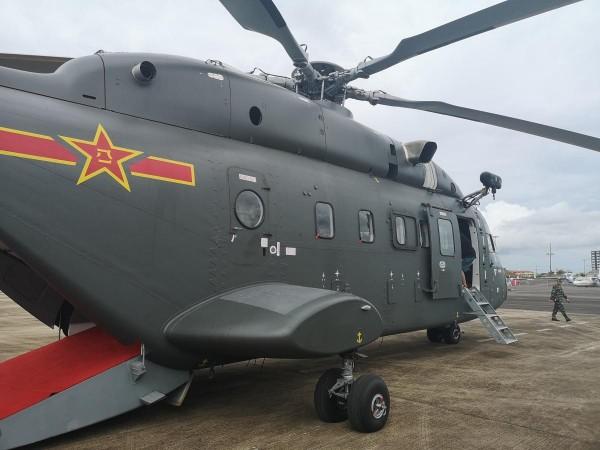
India and China continue diplomatic and military engagement
The MEA said both sides remain engaged through established diplomatic and military channels to address outstanding border issues and avoid miscalculations.
Jaiswal also reiterated India's position that peace and tranquillity in border areas are necessary for improving bilateral ties. He said discussions were underway on improving mutual understanding of the LAC in selected areas to ensure better border management.
The border dispute between India and China has remained a major challenge for bilateral relations, particularly following the deadly Galwan Valley clash in eastern Ladakh in June 2020, in which 20 Indian soldiers were killed.
Although both countries have continued diplomatic engagement and efforts to manage tensions, the LAC remains sensitive, with disagreements over patrolling patterns and territorial claims continuing to pose challenges.
ITBP steps up modernisation and combat preparedness
The ITBP, established in 1962, is responsible for guarding India's 3,488-km border with China. The force has been strengthening its operational capabilities through specialised training, new combat units and greater use of modern technology.
Kapur's comments on the Shaurya commandos and the need for drone warfare capabilities reflect the force's focus on adapting to changing security challenges along the border.
The latest exchange comes as India and China continue to balance efforts to maintain peace along the LAC with the need to strengthen military preparedness in sensitive border regions.