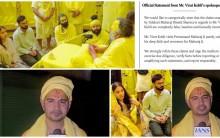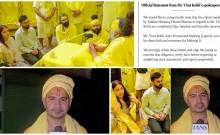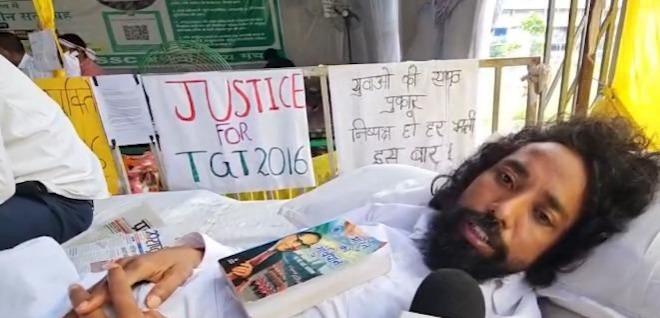
Over irregularities in various recruitment examinations, Jharkhand Loktantrik Krantikari Morcha (JLKM) leader Devendra Nath Mahto on Monday (August 10) joined the protesting students in their march to the state Assembly. During the protest, he requested students to remain calm and peaceful on the birthday of Chief Minister Hemant Soren.
The activist, who remained on a hunger strike for nine days, stated on Monday that the protesters should avoid violence, as happened on July 20 during the Cockroach Janta Party's march to the Parliament over the NEET paper leak. While speaking to reporters, he also criticised the state government for ignoring students' demands.
Devendra Nath Mahto says he is not god
Mahto, who lost around 10.5 kg during the fast, added that he is not a god but an ordinary person, and that his personal life won't change because of this. He said he couldn't hold himself back from joining the march toward the Assembly after hundreds of people took part in the protest.
"Why does the government want anarchy? Why isn't the government accepting the demands of students? I would like to thank the students for participating in the protest. I would also like to thank the media. However, I urge everyone to remain peaceful," he said.
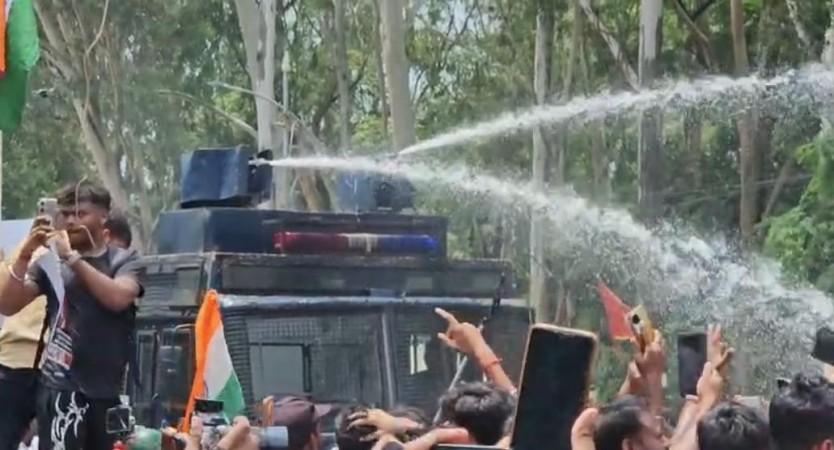
"I don't want students to do anything like the Jantar Mantar... It is Hemant Soren's birthday. We should not promote anarchy. Blood should not be shed. If the government fails to accept the students' demand, then it would be considered a murder of democracy. Despite everything, I have joined the protest today. I am just a voice of the students," he added.
The Jharkhand government and the students have held multiple rounds of talks, but the deadlock remains unresolved. While the government claims that 98 per cent of the students' demands have been accepted, the protesters argue that only three of the 13 exams they wanted cancelled have actually been scrapped. The students are demanding a probe either by the Central Bureau of Investigation (CBI) or by a panel of retired high court judges from outside the state.