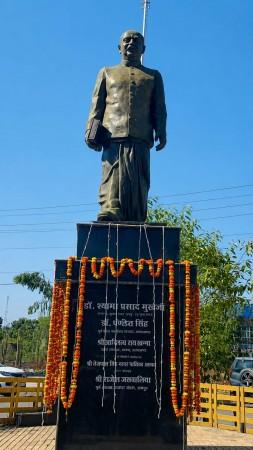
The demand for a fresh probe into the "mysterious" circumstances surrounding the alleged custodial death of Bharatiya Jana Sangh founder Dr. Syama Prasad Mookerjee in Srinagar in 1953 gathered momentum on Tuesday, with senior Bharatiya Janata Party (BJP) leaders calling for the release of archival records and a formal inquiry into the case.
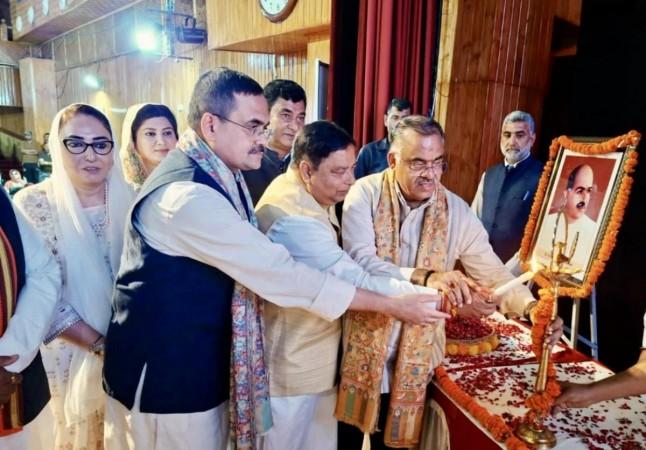
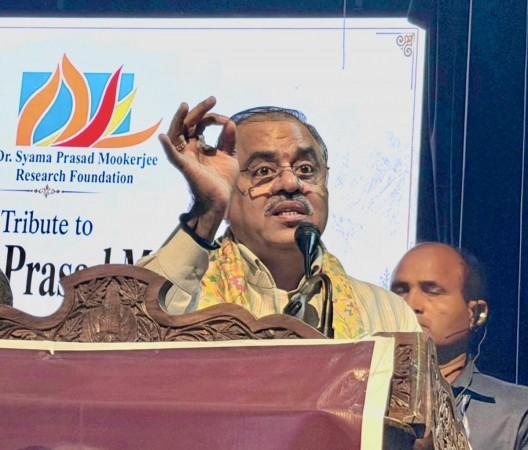
On the 72nd death anniversary of Dr. Mookerjee, several BJP leaders, including senior West Bengal leader Suvendu Adhikari and BJP National General Secretary and newly elected Rajya Sabha member Tarun Chugh, alleged that unanswered questions continue to surround his arrest, detention and subsequent death while in custody under the then government headed by Sheikh Abdullah.
Addressing a press conference in Srinagar, Chugh said Dr. Mookerjee had dedicated his life to the complete integration of Jammu and Kashmir with the rest of India and had strongly opposed the permit system and special constitutional arrangements that, according to him, created barriers between the erstwhile state and the rest of the country.
Dr. Mookerjee was arrested at Lakhanpur on May 11, 1953, after entering Jammu and Kashmir without a permit as part of his protest against the "Permit Raj" and the special constitutional status enjoyed by the erstwhile state. He later died in a Srinagar hospital on June 23, 1953, under circumstances that have remained a subject of political debate and controversy for decades.
Referring to the abrogation of Articles 370 and 35A on August 5, 2019, Chugh said the move had fulfilled Dr. Mookerjee's vision of complete integration of Jammu and Kashmir with India. He claimed that the constitutional changes had ensured equal rights and opportunities for all sections of society, including women, Gujjars, Bakerwals and the youth of the Union Territory.
The BJP leader alleged that successive governments had failed to provide a satisfactory explanation regarding the circumstances leading to Dr. Mookerjee's arrest and death. He questioned the legal basis under which the Bharatiya Jana Sangh founder was detained and asserted that no independent investigation had ever been conducted into the case.
Demanding that all official records related to the episode be made public, Chugh said the people of the country had a right to know the truth. He called for a thorough inquiry to determine the circumstances of Dr. Mookerjee's death and to fix responsibility, if any.
Describing Dr. Mookerjee's death as a sacrifice made in the cause of national integration, Chugh said the BJP would continue to seek answers and press for transparency regarding the events of 1953.
The BJP leader also demanded the declassification of records related to the 1947 tribal invasion of Jammu and Kashmir. He alleged that armed tribal raiders backed by Pakistan carried out large-scale killings, loot and destruction in several parts of the region after entering the princely state from across the border.
The renewed demand for a probe into Dr. Mookerjee's death comes amid continued political interest in one of the most debated episodes in the history of Jammu and Kashmir, with BJP leaders asserting that a formal inquiry and disclosure of historical records are necessary to address long-standing questions surrounding the case.
The BJP leader also referred to the 1947 tribal invasion of Jammu and Kashmir and alleged that armed tribesmen backed by Pakistan carried out killings and destruction across parts of the region after entering from Pakistan.
He claimed that massacres continued for several days and alleged that thousands of residents, including Hindus, Kashmiri Pandits and Christians, were killed during the violence.
Chugh further alleged that women were subjected to atrocities and said governments had failed to adequately document and publicise details of the events.
He urged authorities to make public archival records related to the invasion and said documents preserved in government archives should be released so that people could understand the history of the conflict.