
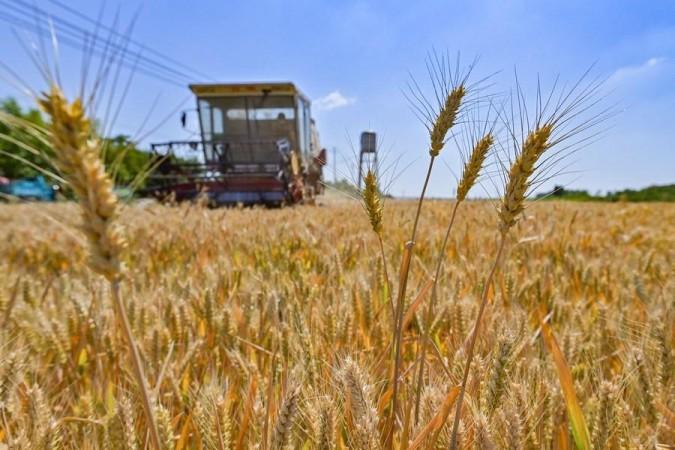
Australia's wheat industry is facing a significant setback as soaring fertiliser and fuel costs, driven by the ongoing Middle East conflict, force farmers to cut planting and reduce input usage. According to a report by the Australian Bureau of Agricultural and Resource Economics and Sciences (ABARES), the country's wheat production is projected to decline by 26 per cent year-on-year to 26.7 million tonnes in 2026-27, while the area planted under wheat is expected to fall 12 per cent to its lowest level since 2019-20.
The downturn is being attributed to a sharp increase in farming input costs, particularly fertilisers. ABARES noted that domestic urea prices in Australia have surged by more than 80 per cent since the conflict in the Middle East began, while fuel costs have also risen significantly. The disruption of energy and fertiliser supply chains from the Gulf region has added further pressure on agricultural producers.
As a result, many Australian farmers are expected to leave land unplanted or shift away from fertiliser-intensive wheat cultivation towards crops such as barley and canola, which require lower nitrogen inputs. Combined with dry weather conditions and a below-average winter rainfall outlook, the cost pressures are expected to reduce overall winter crop production by 21 per cent to 54.5 million tonnes.
The impact extends beyond Australia. As one of the world's leading wheat exporters, a decline in Australian output could tighten global grain supplies and push international wheat prices higher. Australian grain and oilseed export prices have already risen around 20 per cent since the Middle East conflict escalated.
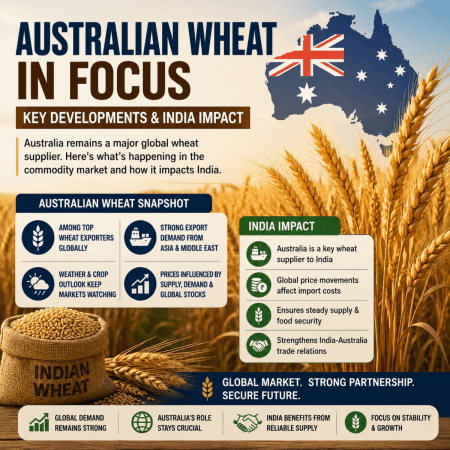
How will it impact India?
The developments are being closely watched in India, which has also faced challenges securing fertiliser supplies amid disruptions in global markets. Like Australia, India relies heavily on imported fertilisers and has had to diversify sourcing to ensure adequate availability for farmers.
A sustained rise in global fertiliser prices could increase India's subsidy burden and raise cultivation costs for farmers. Higher international wheat prices may also contribute to food inflation pressures, particularly if domestic production faces weather-related challenges.
At the same time, reduced Australian wheat exports could create opportunities for Indian agricultural exports if global buyers seek alternative suppliers. The situation highlights how geopolitical tensions in the Middle East are affecting food production and supply chains far beyond the region, with consequences for major agricultural economies such as both Australia and India.
ABARES forecasts that the total value of Australia's agricultural output will decline by 5 per cent to A$98.3 billion in 2026-27, while agricultural export earnings are expected to fall 9 per cent to A$74.8 billion.