In a major security crackdown following the exposure of a "white-collar" terrorist module in Jammu and Kashmir, authorities have launched an extensive profiling drive of mosques, madrasas, and individuals associated with their management, triggering heightened vigilance across the Valley.
Officials said village numberdars (local revenue officials) have been issued a detailed proforma directing them to collect exhaustive information about mosques, madrasas, imams, teachers, and management committee members. The move is aimed at mapping the financial structure, construction details, and sources of daily expenditure of religious institutions, which security agencies suspect may be misused by terror networks for recruitment and logistics.
The profiling exercise goes far beyond basic details. Imams and teachers are being asked to provide information related to Aadhaar cards, bank accounts, property holdings, social media handles, passports, ATM cards, ration cards, driving licences, mobile phone numbers, and even the IMEI numbers of their devices. The proforma also seeks details on the religious sect followed by each institution—whether Barelvi, Deobandi, Hanafi, or Ahle Hadith—to help agencies assess possible ideological influences.
A senior official said the objective is to create a comprehensive digital database of religious institutions and individuals linked to them. "Investigations into the white-collar terror module busted in October last year revealed that several suspects were radicalised through madrasas and social media platforms. The role of some religious figures is also under scrutiny," the official said.
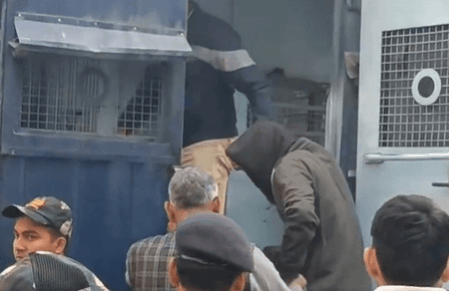
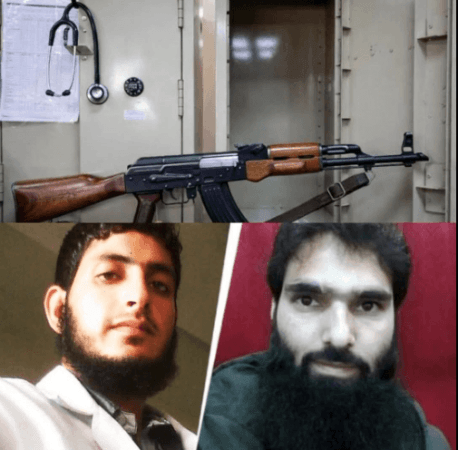
Alarm bells rang after police busted a high-profile terror network with links across Jammu and Kashmir, Haryana, and Uttar Pradesh. Nine terrorists were arrested, including three doctors, and a massive cache of nearly 2,900 kilograms of explosives—including ammonium nitrate, potassium nitrate, and sulphur—was recovered, exposing the industrial scale of terror preparations.
As reported earlier, the "white-collar" terror module consisted largely of doctors and some medical students who were in contact with handlers based in Pakistan and other countries.
The investigation was started on October 19, 2025, when posters bearing Jaish-e-Mohammed's insignia appeared in Bunpora, Nowgam of Srinagar district, threatening security forces. Police promptly registered FIR No. 162/2025 under the UAPA, BNS, Explosive Substances Act, and Arms Act.
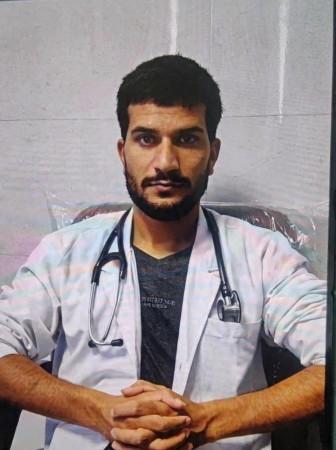
CCTV footage from the locality proved to be the turning point in this sensational white collar terror module. From the CCTV footage, a police team of Srinagar identified a local who is serving as a doctor in Uttar Pradesh's Saharanpur. A police team rushed to Saharanpur, where they arrested Dr Adil, a Kashmiri-origin medical professional. His interrogation unveiled a sprawling network of radicalised doctors, students, and clerics.
Following Dr Adil's disclosures, joint teams of J&K Police and Haryana Police raided a rented unit in Faridabad linked to Dr Muzammil Ahmad Ganaie of Pulwama. Officers recovered 360 kg of explosives, marking the first major seizure.
Further interrogation of an imam associated with the group led police to a second location, where a staggering 2,583 kg of explosive substances were found—raising the total haul to nearly 2.9 tonnes.
Searches across Dhaouj village and adjoining areas near Delhi revealed safe houses used for storage and covert meetings. Their proximity to the national capital, yet relative isolation, made them ideal operational hubs.
Investigators found that the accused were in touch with handlers in Pakistan and other foreign countries, using encrypted applications for communication, fundraising, logistics, and operational planning.
Funds were allegedly collected under the garb of charity and educational activities before being diverted into terror operations.
Police believe the module took shape around 2021–22, initially guided by a handler named Hashim. It was later reorganised under Dr Omar, operating from Kashmir. Their long-term plan, investigators say, was to manufacture IEDs, carry out major attacks, and eventually establish a new terror outfit aligned with LeT and JeM.
Police officials have made it clear that surveillance and verification measures will be further intensified in the coming months. Financial trails, personal data, and digital footprints of those linked to mosques and madrasas will be closely monitored to prevent religious platforms from being exploited as recruitment hubs or safe zones for terror activities.
Security agencies said the latest drive is part of a broader strategy to dismantle not just armed groups, but the entire ecosystem that feeds, funds, and facilitates insurgency in the Union Territory.