The Special NIA Court in Jammu has rejected the bail application of Insha Jan alias Insha Tariq, an accused in the 2019 Pulwama terror attack case.
The court observed that, based on the material available on record, the charges against the accused appeared to be prima facie true.
Special Judge Prem Sagar, in a 15-page order, held that the bar on bail under Section 43-D(5) of the Unlawful Activities (Prevention) Act (UAPA) also applied in the case.
Insha Jan was arrested along with her father, Pir Tariq Ahmed Shah, on March 3, 2020. She is a resident of Harkipora village in the Pulwama district of South Kashmir. She is facing trial under the Ranbir Penal Code (RPC), UAPA, Arms Act and Explosive Substances Act. The court framed charges against her on December 10, 2022.
Accused of Providing Shelter and Support to Terrorists
According to the NIA chargesheet, Insha Jan is accused of being involved in the conspiracy behind the Pulwama attack and of remaining in constant contact with Pakistani terrorist Mohammad Umar Farooq. The agency has alleged that she provided food, shelter and other necessary assistance to Jaish-e-Mohammed terrorists at her home.
According to the NIA, Farooq and another Pakistani terrorist, Mohammad Kamran Ali, visited Insha's home in June 2018. Subsequently, both terrorists, along with other Jaish-e-Mohammed operatives, allegedly began visiting her residence regularly.
The agency further alleged that in January 2019, Umar Farooq, Pulwama attack suicide bomber Adil Ahmed Dar and Sameer Ahmed Dar visited her home and stayed there for several days.
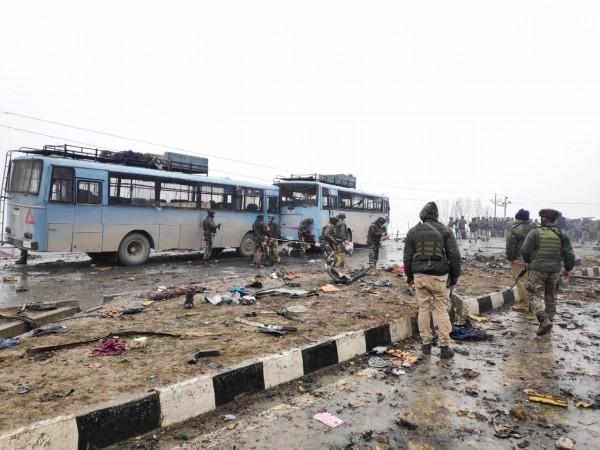
Over 40 soldiers had lost their lives when a suicide bomber rammed a car full of explosives into a security convoy at Pulwama on February 14, 2019. The NIA said that Adil Ahmed Dar was the suicide bomber.
The NIA also alleged that the video of Adil Ahmed Dar, which went viral after the February 14, 2019, attack, was recorded at Insha's home on January 28 and 29. The investigating agency cited WhatsApp calls, voice notes and photographs recovered from Umar Farooq's mobile phone as crucial evidence in the case.
Defence Cites More Than Six Years of Detention
The bail plea filed on behalf of Insha Jan stated that she had been in custody for more than six years and that the trial was proceeding at a very slow pace. According to the defence, out of a total of 240 witnesses, only 49 had testified by that time.
The defence claimed that the witnesses who had testified so far had neither directly nor indirectly linked Insha Jan to the crime and that no incriminating material had been recovered from her. The petition also cited her health problems.
NIA Opposes Bail
The NIA opposed the bail plea, arguing that the case was extremely serious and that the accused had provided safe haven and other necessary assistance to terrorists. The agency also relied upon Section 43-D(5) of the UAPA before the court.
After examining the material available in the case diary and chargesheet, the court observed that there were sufficient grounds to prima facie believe that the charges against the accused were true.
The court also observed that if the accused were granted bail, the possibility of her influencing key witnesses could not be ruled out.
No Relief on Health Grounds
The court also did not find Insha Jan's health-related plea sufficient to warrant bail. The order stated that her illness was not life-threatening enough to justify her immediate release on bail. However, the jail administration was directed to provide her with all necessary medical facilities.
The court further clarified that the observations made during the bail hearing would have no bearing on the final verdict in the main criminal case.