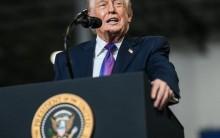
US President Donald Trump has announced a phased tariff plan on imported generic medicines, a move that could significantly impact India's pharmaceutical exports to the United States.
Under the new policy, imported generic drugs will continue to enter the US duty-free for the next two years. However, beginning in 2028, the US will impose a 100 per cent tariff for one year, followed by a steep 200 per cent tariff thereafter. Trump said the phased rollout is intended to give pharmaceutical companies time to shift manufacturing operations to the United States.
The announcement is particularly significant for India, often referred to as the "pharmacy of the world." Indian pharmaceutical companies supply nearly 40 per cent of generic medicines used in the US by volume. During the financial year 2024-25, India exported pharmaceutical products worth USD 9.7 billion to the US, accounting for around 38 per cent of its total global pharma exports.
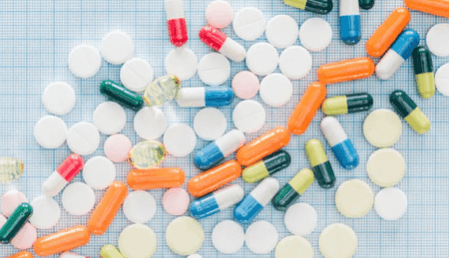
Industry experts say the proposed tariffs could reduce the competitiveness of Indian drugmakers in the American market and may prompt companies to consider expanding manufacturing within the US to avoid higher duties. The policy could also disrupt global pharmaceutical supply chains and increase medicine costs for American consumers.
Following the announcement, shares of several Indian pharmaceutical companies, including Sun Pharma, Cipla, Dr. Reddy's Laboratories, Lupin and Aurobindo Pharma, came under pressure as investors assessed the potential long-term impact of the tariff plan.